
Culturally Sensitive Healthcare—Why Representation Matters
Learn how culturally sensitive care improves trust, outcomes, and patient satisfaction—and why a diverse healthcare workforce is key to closing racial and ethnic health gaps.


Learn how culturally sensitive care improves trust, outcomes, and patient satisfaction—and why a diverse healthcare workforce is key to closing racial and ethnic health gaps.

From yogurt tubes to ‘healthy’ juice boxes, learn where sugar hides in children’s lunchboxes, how it affects focus and immunity, and 8 easy swaps to keep school meals tasty but low-sugar.

Discover easy, science-backed dietary tweaks—approved by a gastroenterologist—that nourish your gut microbiome, boost energy, and strengthen immunity.

Learn five actionable strategies Black families can use to build generational wealth—from mastering cash flow to smart investing, homeownership, entrepreneurship, and estate planning.
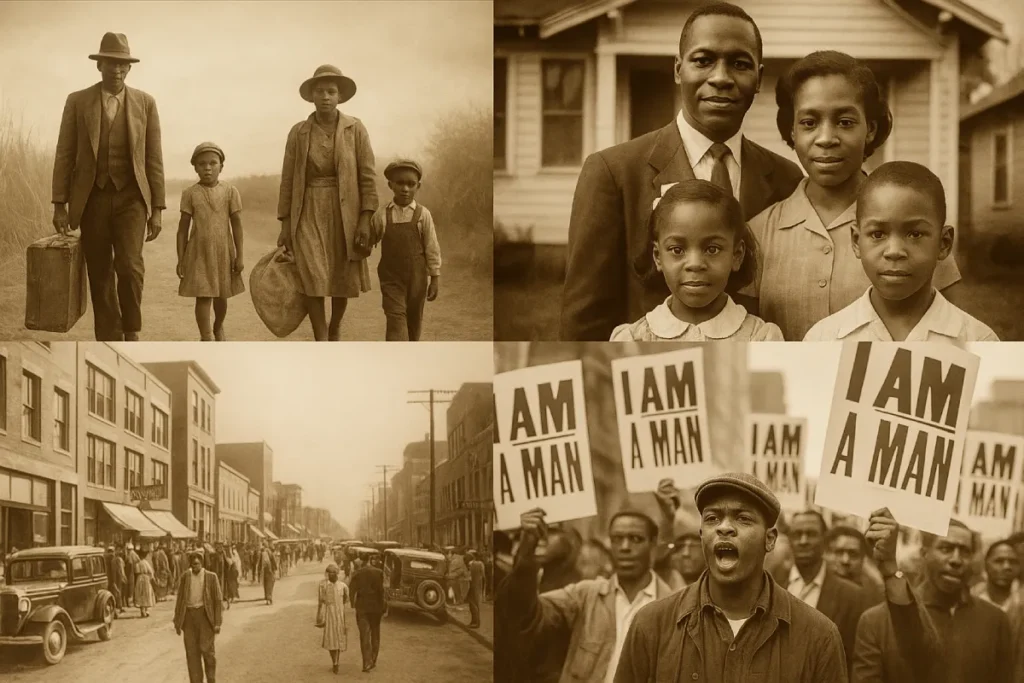
“Our backs are straight, our minds are keen, our souls have been anchored in storms.”— Mary McLeod Bethune, 1939 From Jim Crow schools to red-lined neighborhoods, 20th-century Black Americans faced deliberate barriers to education, housing, health, and capital. Yet a remarkable pattern emerges: resilience. Below is a concise tour of five interconnected pillars that powered Black survival—and success—through the last century. The Great Migration (1916-1970) — Mobility as Agency Six million African Americans left the rural South for industrial hubs like Chicago, Harlem, Detroit, and Oakland.Why it matters: Lesson for today: Geographic mobility—physical or digital—is still a lever for opportunity; remote work can be the 21st-century Great Migration. Black Wall Streets — Economic Self-Determination Greenwood District (Tulsa), Parrish Street (Durham), Bronzeville (Chicago) Year at Peak Key Industries Resilience Strategy 1921 Banks, hotels, real estate Community reinvestment—“circulate the Black dollar” 1940s Insurance, tobacco, mutual savings Cooperative credit unions buffered bank red-lining 1950s Printing presses, music labels Vertical integration: own the supply chain, own the narrative Even after the tragic 1921 Tulsa massacre, survivors rebuilt 100+ businesses within five years—using collective savings clubs (susu) and church loans. Mutual-Aid & Health Networks Contemporary echo: Today’s community health centers, food co-ops, and GoFundMe campaigns descend from these grassroots safety nets. Cultural Capital—Harlem Renaissance to Hip-Hop Decade Movement Impact 1920s Harlem Renaissance Literature & jazz reshaped global aesthetics; enhanced racial pride. 1960s Soul & Motown Provided economic engines (Berry Gordy) and civil-rights messaging. 1970s-80s Hip-Hop (Bronx) Turntable ingenuity turned limited resources into a multibillion-dollar culture export. Art became both therapy and commerce—feeding bodies and souls. Legal & Educational Uplift Quick Timeline Snapshot What Today’s Leaders Can Learn Key Takeaway Resilience was never accidental. It emerged from strategic mobility, cooperative economics, cultural expression, education, and relentless advocacy—blueprints we can still apply to modern inequities. Next Step: Subscribe for more historical deep dives and practical lessons to strengthen today’s communities.
